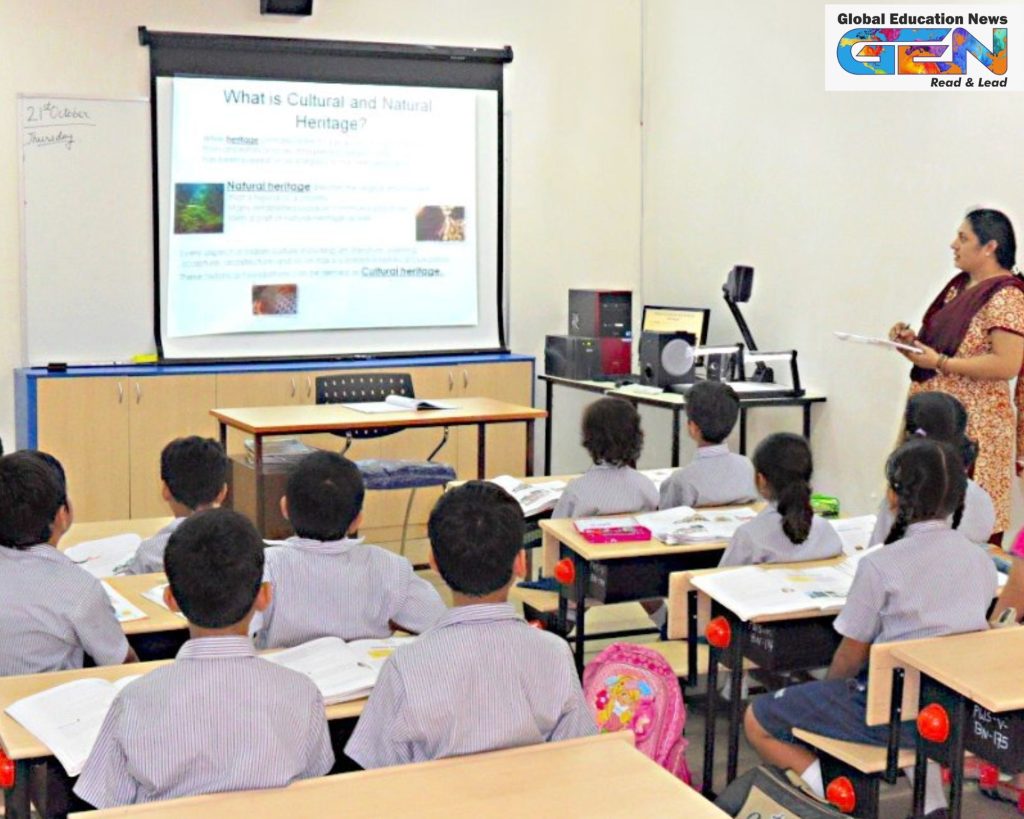
Delhi’s government schools are gearing up for a futuristic makeover! Education Minister Ashish Sood, speaking at Sarvodaya Kanya Vidyalaya in Chirag Delhi on July 25, 2025, announced a bold plan to transform education with 5,000 AI-enabled smart classrooms, 100 ICT labs, and 450 language laboratories by 2030. Backed by a ₹900 crore budget, this initiative aims to equip students with cutting-edge technology, ensuring they’re ready for the digital age. Inspired by Gujarat’s success with 110,000 smart classrooms, Delhi is set to redefine public education in areas like Najafgarh, Narela, Seemapuri, and Kirari.
- 5,000 smart classrooms with AI-powered tools to be rolled out by 2030.
- 100 ICT labs and 450 language labs planned for 2025 alone.
- ₹900 crore budget allocated for 19,000 smart boards.
Empowering Students with AI and Innovation
Key Points:
- Smart classrooms feature AI-powered panels and interactive learning tools.
- Multilingual support for English and regional languages in language labs.
- Aligns with NEP 2020 for tech-driven, student-centric education.
Imagine classrooms where AI tailors lessons to every student’s needs! Delhi’s smart classrooms will feature interactive smart boards, AI-driven panels, and tools that make learning engaging and personalized. The 450 language labs will support multilingual education, helping students master English and regional languages with ease. Aligned with the National Education Policy (NEP) 2020, this tech infusion ensures Delhi’s students are equipped for a globalized world, blending innovation with accessibility.
Entrepreneurship and Foundational Skills Take Center Stage
Key Points:
- NEEEV initiative introduces entrepreneurship education for Classes 7–12.
- NIPUN Bharat mission targets foundational literacy and numeracy (FLN).
- Focus on first-generation learners to bridge learning gaps.
Delhi’s students aren’t just learning—they’re becoming innovators! The NEEEV initiative, integrated into the curriculum for Classes 7–12, will teach entrepreneurship through hands-on sessions and innovation challenges, fostering problem-solving and startup skills. Meanwhile, the NIPUN Bharat mission uses AI and remedial instruction to ensure every student masters foundational literacy and numeracy. This focus on first-generation learners aims to make every Delhi school NIPUN-certified, closing educational gaps and empowering future leaders.
Parental Engagement and Safety First
Key Points:
- Orientation sessions for nursery, KG, and Class 1 parents to build trust.
- Emphasis on student safety and holistic development.
- Community activities like tree plantation drives strengthen school bonds.
At the heart of Delhi’s education overhaul is a commitment to parents and students. Minister Sood, addressing parents at Chirag Delhi, stressed the importance of knowing “who teaches your child and what environment they learn in.” Orientation sessions are designed to foster parental involvement, ensuring trust in the school system. Safety remains paramount, with initiatives like tree plantation drives symbolizing a nurturing environment. These efforts aim to create vibrant school communities where every child thrives.
Restoring Pride in Government Schools
Key Points:
- Delhi’s government schools have produced doctors, scientists, and IAS officers.
- Scholarships for SC, ST, and meritorious students to boost access.
- Remedial summer classes offered voluntarily by teachers.
“Don’t underestimate government schools,” Sood urged parents, highlighting their legacy of producing top professionals. Delhi’s public schools are reclaiming their reputation with scholarships for SC, ST, and meritorious students, ensuring equitable access. Remedial summer classes, run by dedicated teachers, are helping students catch up, proving that government schools are a force to be reckoned with. This initiative challenges outdated perceptions and positions public education as a pathway to success.
A Model Inspired by Success
Key Points:
- Draws inspiration from Gujarat’s 110,000 smart classrooms model.
- Focus on underserved areas like Najafgarh, Narela, and Kirari.
- Plans to scale up to all 1,200+ Delhi government schools.
Delhi’s transformation draws from Gujarat’s digital education success, where over 110,000 smart classrooms have revolutionized learning. By targeting underserved areas like Seemapuri and Kirari, Delhi ensures no student is left behind. The goal is to extend these upgrades to all 1,200+ government schools, creating a uniform standard of excellence. With 19,000 smart boards on the way, the capital is poised to become a leader in tech-driven education.
Challenges and the Road Ahead
Key Points:
- Infrastructure upgrades and teacher training critical for success.
- Digital divide in underserved areas needs urgent attention.
- Long-term vision to sustain ₹900 crore investment and scale impact.
While the vision is bold, challenges loom. Ensuring adequate infrastructure and teacher training is essential to maximize AI tools and labs. The digital divide in areas like Narela risks leaving some students behind, requiring targeted interventions. Sustaining the ₹900 crore investment and scaling to all schools by 2030 will test the government’s commitment. Public sentiment on X calls for transparent implementation to avoid delays, emphasizing the need for accountability.
A Bright Future for Delhi’s Students
Key Points:
- Equips students for global competitiveness with tech and skills.
- Strengthens Delhi’s position as an education hub.
- Calls for parent-government collaboration to sustain momentum.
Delhi’s government schools are on the cusp of a revolution, blending AI technology, entrepreneurship, and inclusivity to prepare students for a dynamic future. This ₹900 crore initiative not only elevates public education but also positions Delhi as a global education hub. With parents, teachers, and policymakers working together, this transformation promises to empower millions of students to dream big and achieve bigger. Let’s rally behind Delhi’s bold leap into the future!