In 2025, mobile PDS shops are redefining India’s Public Distribution System (PDS), bringing essential commodities like rice, wheat, sugar, and kerosene directly to the doorsteps of the nation’s most vulnerable. Launched to bridge gaps in the world’s largest food distribution network, covering over 5 lakh fair price shops and 80 crore beneficiaries, these mobile ration units tackle the challenge of reaching remote and underserved areas. With initiatives like Tamil Nadu’s doorstep delivery pilot and the SMART-PDS scheme, India is leveraging technology and mobility to ensure no one goes hungry. Ready to explore this revolutionary step? Let’s dive into the world of mobile PDS shops!
Key Points:
- Reach: Serves 80 crore PDS beneficiaries, especially in remote areas.
- Innovation: Mobile vans deliver rations to villages, tribal regions, and urban slums.
- Pilot Programs: Tamil Nadu’s doorstep delivery in Chennai and 9 other districts.
- Technology: SMART-PDS uses smart ration cards and biometric authentication.
Why Mobile PDS Shops Matter
India’s PDS, established in the 1940s, is a lifeline for millions, providing subsidized food grains to low-income households. However, challenges like inaccessible fair price shops, corruption, and logistical barriers have limited its reach in rural and tribal areas. Mobile PDS shops address these gaps by delivering rations directly to communities, reducing travel costs and time for beneficiaries. A 2023 NITI Aayog report highlights that mobile PDS units can cut distribution losses by 15–20%, while posts on X praise Tamil Nadu’s pilot for empowering senior citizens with doorstep delivery. This initiative aligns with the National Food Security Act, 2013, ensuring food security for all.
Key Points:
- Accessibility: Reaches remote villages, hills, and urban slums.
- Cost Savings: Reduces travel expenses for beneficiaries.
- Loss Reduction: Cuts leakage by 15–20% via direct delivery.
- Public Sentiment: X users laud Tamil Nadu’s pilot for senior citizens.
How Mobile PDS Shops Work
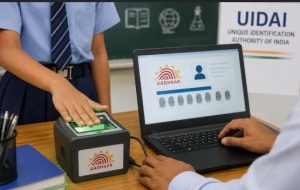
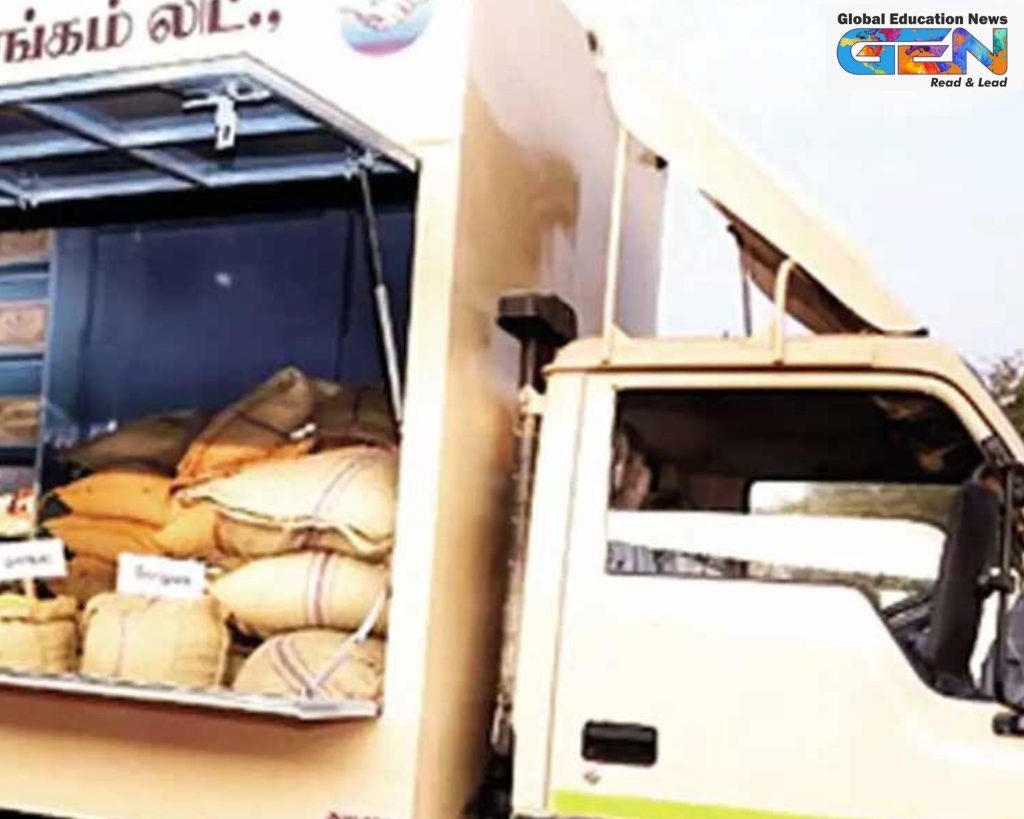
Mobile PDS shops operate as vehicle-based ration outlets, equipped with smart card scanners and biometric authentication systems under the SMART-PDS scheme. Launched in 2023 by the Department of Food and Public Distribution, SMART-PDS uses cloud-based technology to streamline operations. Beneficiaries carry smart ration cards, verified via fingerprint scans at the mobile shop, ensuring transparency and preventing fraud. Tamil Nadu’s pilot, covering Chennai and 9 districts, delivers rations to senior citizens and differently-abled individuals, with plans to expand nationwide by 2026. Each van stocks essentials like rice (20 kg per family), wheat, sugar, and kerosene, based on state allocations.
Key Points:
- Technology: SMART-PDS uses smart cards and biometric verification.
- Tamil Nadu Pilot: Doorstep delivery in Chennai and 9 districts since 2024.
- Stock: Rice, wheat, sugar, kerosene, per National Food Security Act.
- Expansion: Nationwide rollout targeted by 2026.
Success Stories: Tamil Nadu Leads the Way
Tamil Nadu’s doorstep PDS delivery pilot, launched in 2024, has set a benchmark. Covering 10 districts, including Chennai, it uses mobile vans to serve senior citizens and those with disabilities, ensuring rations reach those unable to visit fair price shops. A July 3, 2025, X post highlighted staff conducting biometric authentication at beneficiaries’ homes, earning widespread praise for inclusivity. Other states, like Chhattisgarh, have introduced mobile PDS units in tribal areas, reducing travel by up to 10 km for beneficiaries. These efforts have boosted PDS coverage by 12% in rural areas, per a 2024 government report.
Key Points:
- Tamil Nadu Pilot: Serves seniors and differently-abled in 10 districts.
- Chhattisgarh: Mobile units reach tribal regions, cutting travel distances.
- Coverage Boost: 12% increase in rural PDS access in 2024.
- Inclusivity: Prioritizes vulnerable groups like the elderly and disabled.
Challenges Facing Mobile PDS Shops
Despite their promise, mobile PDS shops face hurdles:
- Funding: States bear the cost of vehicles and operations, straining budgets.
- Connectivity: Poor internet in remote areas hampers biometric authentication.
- Corruption: Risks of pilferage persist, though SMART-PDS reduces leakages.
- Awareness: Many beneficiaries in rural areas are unaware of mobile units.
Solutions include increasing central funding, deploying satellite-based connectivity, and launching awareness campaigns via radio and local leaders.
Key Points:
- Budget Strain: States fund vans and smart cards, needing more central support.
- Tech Barriers: Weak internet affects digital verification.
- Leakage Risks: SMART-PDS cuts fraud but requires monitoring.
- Outreach Needed: Awareness campaigns to inform rural communities.
Tips for Beneficiaries Using Mobile PDS Shops
Want to make the most of mobile PDS shops? Here’s how:
Key Points:
- Register for Smart Cards: Ensure your family has a SMART-PDS card via state authorities.
- Track Schedules: Follow local announcements for mobile van timings.
- Verify Identity: Carry Aadhaar or smart card for biometric authentication.
- Report Issues: Use helplines (e.g., 1967 in Tamil Nadu) for delivery complaints.
- Stay Updated: Check pdsportal.nic.in for mobile PDS updates.
The Future of Mobile PDS Shops in 2025
Mobile PDS shops are a bold step toward a hunger-free India, aligning with the One Nation, One Ration Card initiative launched in 2020. With 80 crore beneficiaries and a network of 5 lakh fair price shops, the PDS is evolving through technology and mobility. By 2026, the government aims to deploy 10,000 mobile PDS units nationwide, focusing on tribal and hilly regions. Innovations like fortified rice distribution and drone-assisted delivery in remote areas are also being explored, per a 2024 Department of Food report. X users call it a “revolutionary move” for rural India, signaling strong public support. Join the movement for food security and stay informed via pdsportal.nic.in!