Channel 31: India’s Landmark 24/7 Sign Language TV Channel Revolutionizing Education for Hearing-Impaired Students
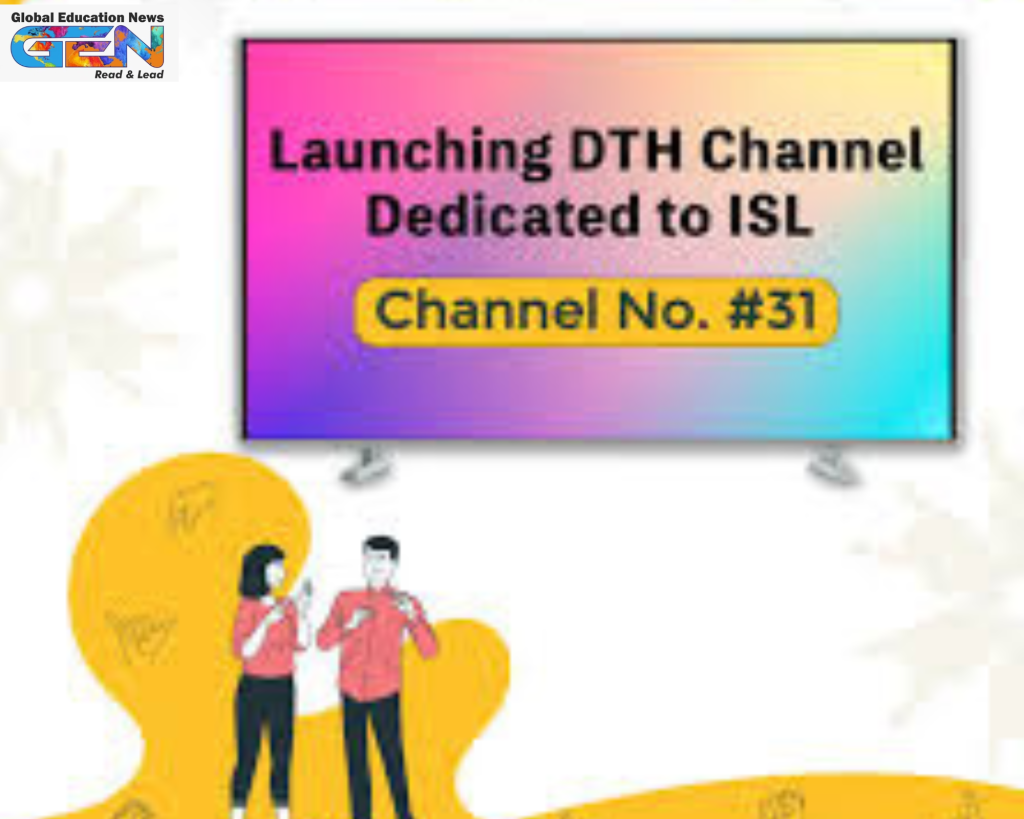
Union education minister Dharmendra Pradhan on Friday launched India’s first television channel in Indian sign language (ISL), Channel 31, as part of the PM-eVidya initiative. India has made a significant stride in inclusive education by launching its first-ever 24/7 television channel dedicated entirely to Indian Sign Language (ISL). The channel, named Channel 31, is a part of the PM e-VIDYA initiative, aimed at making education more accessible for hearing-impaired students and teachers. Managed by the National Council of Educational Research and Training (NCERT), Channel 31 serves as a groundbreaking platform for providing educational content in ISL, helping bridge the gap between hearing-impaired individuals and mainstream education.
Empowering the Deaf Community: Channel 31’s Role in Inclusive Education
Channel 31 is designed to cater to the educational needs of hearing-impaired students, teachers, and other stakeholders. The channel broadcasts a variety of content in Indian Sign Language, covering essential topics such as career guidance, skill development, mental health, and much more. By integrating ISL into the curriculum, the channel ensures that students with hearing impairments have access to the same educational opportunities as their peers.
Additionally, Channel 31 promotes ISL as a recognized subject, just like Hindi and English, to help foster better communication within society. This initiative aligns with the government’s mission to make education more inclusive, with a focus on accessibility and equality for all students, regardless of their hearing abilities.
Channel 31: Bridging the Gap in India’s Education System
The launch of Channel 31 is a major milestone in India’s education reforms, aiming to break down barriers for students with disabilities. Union Education Minister Dharmendra Pradhan emphasized the importance of inclusive education, particularly for students with special needs. The channel helps bridge the educational divide by providing learning resources that are accessible to hearing-impaired students, empowering them to learn at their own pace and access materials that were once out of reach.
India’s education policy has evolved to recognize a wider range of disabilities. The government’s efforts are supported by a rights-based approach that includes early identification of disabilities and necessary support systems. This shift ensures that children with disabilities are given the tools they need to succeed academically.
The Government’s Vision for Indian Sign Language in the Mainstream
With the launch of Channel 31, the government is also taking steps to popularize Indian Sign Language (ISL) as a cultural and communicative tool. Pradhan encouraged all Indians to learn ISL, which not only aids in better communication but also opens doors for cultural expressions such as dance, theater, and performing arts. Learning ISL also improves employment prospects for hearing-impaired individuals, fostering a more inclusive society.
Furthermore, promoting ISL as a subject in schools and mainstream culture helps people from all walks of life break down the communication barriers that hinder interaction with the hearing-impaired community.
Strengthening Disability Rights: A Milestone in Legal Reform
Jayant Chaudhary, Union Minister, hailed the launch of Channel 31 as an important step forward in strengthening disability rights in India. The government is working to replace outdated disability laws with more progressive policies, ensuring that people with disabilities are treated with respect and dignity.
The Rights of Persons with Disabilities Act lays the groundwork for this shift by adopting a rights-based approach that prioritizes early identification of disabilities and a more inclusive support system. The aim is to not only enhance the educational experience of hearing-impaired students but also ensure they have equal opportunities to thrive in every aspect of life.
A Path to an Inclusive Future: Channel 31’s Role in Shaping India’s Education Landscape
The launch of Channel 31 marks a significant move toward a more inclusive and accessible education system in India. By providing an educational platform for hearing-impaired students, the government is helping to empower this marginalized group, offering them the tools needed to excel academically and professionally.
As India continues to make strides in inclusive education, initiatives like Channel 31 reflect a broader vision of social inclusion—where everyone, regardless of ability, can participate in the nation’s educational and social fabric. The government’s commitment to disability rights and education reform paves the way for a future where education is accessible to all, ensuring that no student is left behind.