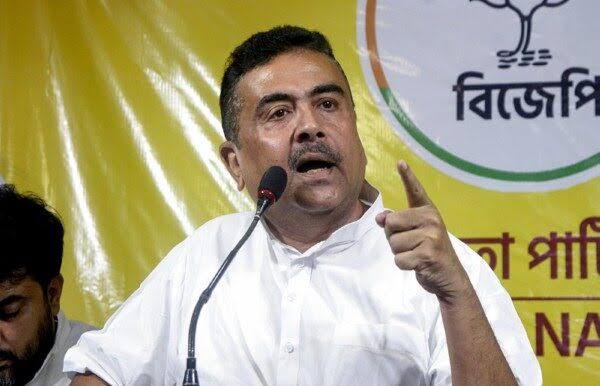
In a landmark decision aimed at modernising the state’s education system, the West Bengal government has officially adopted the National Education Policy (NEP) 2020 and the PM Schools for Rising India (PM-SHRI) scheme. The move is expected to unlock substantial Central funding and accelerate long-pending reforms across government schools.
The announcement followed a high-level meeting between senior officials from the Union and State governments in Kolkata. According to the state government, all pending issues related to policy implementation have been resolved, enabling West Bengal to receive Central assistance during the current financial year.
The decision marks a significant milestone in the state’s education landscape, with reforms extending beyond curriculum changes to include school infrastructure, student welfare, digital learning, teacher recruitment, and institutional governance.
What is the PM-SHRI Scheme?
The PM Schools for Rising India (PM-SHRI) scheme is a flagship initiative of the Government of India designed to transform selected government schools into model institutions aligned with the vision of NEP 2020.
The scheme focuses on:
- Modern classrooms and smart learning facilities
- Digital education and technology integration
- Green and sustainable campuses
- Experiential and competency-based learning
- Inclusive education practices
- Improved teacher capacity building
- Holistic development of students
PM-SHRI schools are expected to serve as demonstration institutions, showcasing best practices that can be replicated across the education system.
Key Reforms Announced by the State Government
Alongside adopting NEP 2020 and PM-SHRI, the West Bengal government has unveiled a broad package of reforms aimed at improving school infrastructure and student welfare.
1. Modern Infrastructure for Government Schools
The government plans to undertake a large-scale upgrade of school facilities.
Major initiatives include:
- Phased installation of solar panels
- Modernisation of classrooms
- Improved sanitation facilities
- Hygienic toilets across schools
- Ceiling fans in schools lacking adequate ventilation
- Safe drinking water facilities, beginning with arsenic-affected districts such as Birbhum, Bankura, Purulia and Jhargram.
These initiatives are intended to create healthier, more sustainable, and student-friendly learning environments.
2. Better Mid-Day Meal Infrastructure
The government has also announced significant improvements to the PM POSHAN (Mid-Day Meal) Scheme.
Proposed measures include:
- Gas-based cooking in government schools
- Cleaner and safer kitchen infrastructure
- Improved food preparation systems
- Increased cooking assistance
Importantly, the primary-level PM POSHAN cooking cost will rise from ₹6.78 to ₹10 per student per day, effective from August 1, enhancing the quality of meals served to children.
3. Greater Focus on Girls’ Welfare
Recognising the importance of creating gender-sensitive schools, the government has announced measures specifically benefiting girl students.
These include:
- Installation of sanitary napkin vending machines
- Improved hygiene facilities
- Better sanitation infrastructure
- Enhanced access to clean drinking water
Such initiatives are expected to improve attendance, health, and overall well-being among adolescent girls.
4. Transparent Teacher Recruitment
Teacher recruitment has remained one of the most closely watched issues in West Bengal’s education sector.
The government has reiterated its commitment to:
- Merit-based appointments
- Transparent recruitment processes
- Strict implementation of reservation policies
- Elimination of political interference
- Faster completion of pending recruitment drives
Senior administrative oversight has also been proposed to ensure greater accountability throughout the recruitment process.
Strengthening School Governance
The government has also proposed reforms to make school management more participatory.
One of the notable proposals is to increase parental involvement in School Management Committees (SMCs) by assigning leadership roles to parents, a model already followed in several other states.
Education experts believe stronger community participation can improve accountability, transparency, and school performance.
How NEP 2020 Could Transform Education in West Bengal
The adoption of NEP 2020 opens the door to wide-ranging academic reforms over the coming years.
Some of the expected changes include:
Competency-Based Learning
Greater emphasis on conceptual understanding, analytical thinking, and practical application rather than rote memorisation.
Experiential Education
Students will increasingly engage in project-based learning, inquiry-driven activities, and real-world problem-solving.
Flexible Curriculum
Schools will gradually introduce multidisciplinary learning, vocational exposure, and greater flexibility in subject choices.
Technology Integration
Digital classrooms, smart learning tools, online resources, and technology-enabled teaching practices are expected to become more widespread.
Continuous Assessment
NEP promotes regular, competency-based assessments instead of relying solely on high-stakes examinations.
Benefits of PM-SHRI Schools
The PM-SHRI initiative aims to create future-ready government schools capable of delivering high-quality education.
Expected outcomes include:
- Improved learning outcomes
- Better digital infrastructure
- Sustainable school campuses
- Inclusive classrooms
- Skilled teachers
- Enhanced student engagement
- Stronger environmental awareness
- Modern teaching methodologies
The model schools are also expected to become centres of innovation that inspire reforms across neighbouring institutions.
Challenges in Implementation
While the announcement has generated optimism, successful implementation will require sustained efforts.
Key challenges include:
- Timely utilisation of Central funds
- Teacher training for NEP implementation
- Upgrading infrastructure in rural schools
- Ensuring uniform implementation across districts
- Digital connectivity gaps
- Monitoring project execution
- Maintaining transparency in recruitment
Experts note that long-term success will depend not only on policy adoption but also on effective execution and continuous monitoring.