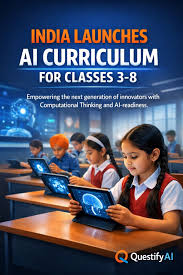
Artificial Intelligence (AI) is rapidly transforming classrooms across the world, redefining how students learn and teachers teach. From personalised learning tools to automated assessments, AI promises a smarter education system. However, this technological shift has sparked a global debate over its benefits and potential risks, with educators, policymakers, and experts divided on its long-term impact.
How AI is Transforming Education
AI is increasingly being used to enhance learning experiences and improve efficiency in education systems worldwide.
Key benefits include:
- Personalised learning: AI adapts content to individual student needs, improving understanding and outcomes
- Instant feedback: Students receive real-time corrections and guidance
- Administrative efficiency: Teachers can automate grading and routine tasks
- Bridging skill gaps: AI can support areas with a shortage of qualified teachers
Global organisations like UNESCO highlight that AI can help address major education challenges and accelerate progress toward inclusive and quality education.
The Rising Concerns Around AI Use
Despite its advantages, AI’s growing presence in education has raised serious concerns:
1. Decline in Critical Thinking
Experts warn that over-reliance on AI tools may reduce students’ ability to think independently and solve problems.
2. Academic Integrity Issues
AI tools make it easier for students to generate assignments, leading to concerns about cheating and plagiarism.
3. Overdependence on Technology
Heavy AI usage can result in reduced effort and learning engagement, with students relying on tools rather than developing skills.
4. Accuracy and Bias Problems
AI systems can produce incorrect or biased information, raising questions about reliability in education.
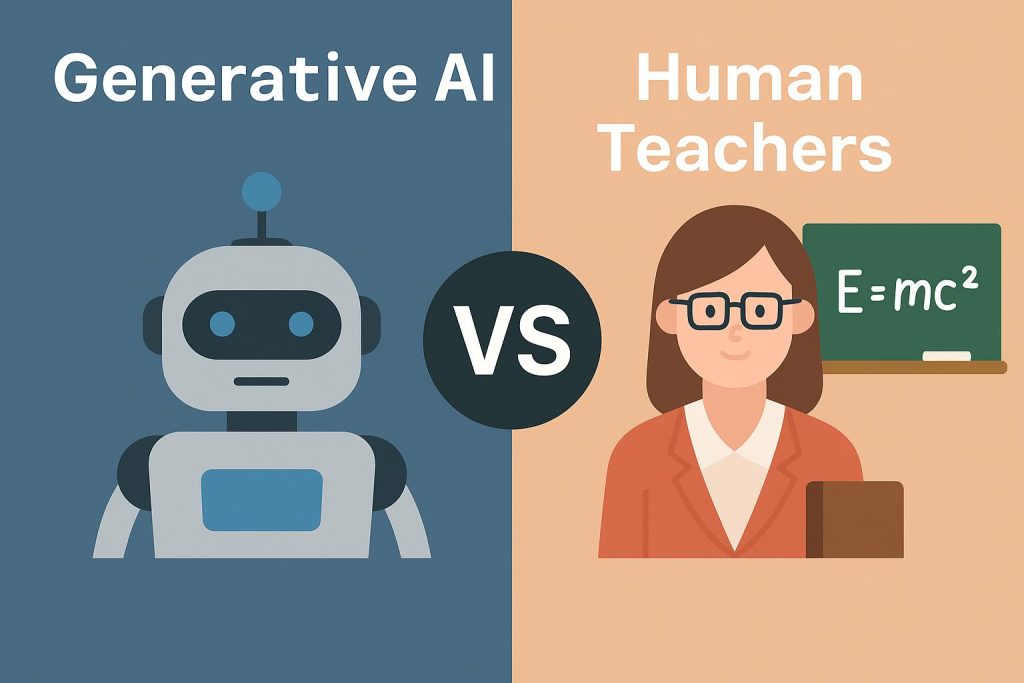
Teachers vs AI: Replacement or Reinforcement?
One of the biggest debates is whether AI will replace teachers.
Most experts agree:
👉 AI is more likely to assist teachers rather than replace them.
However, improper use without clear boundaries may:
- Reduce the role of human judgment
- Impact learning quality
- Create trust issues in education systems
Global Concerns: Ethics, Privacy, and Inequality
Beyond classrooms, AI raises broader concerns:
- Data privacy risks for students
- Algorithmic bias, affecting fairness
- Digital divide, where access to AI tools is unequal
- Growing inequality, as advanced technologies benefit some regions more than others
International discussions are now focusing on creating ethical guidelines and regulations to ensure responsible AI use.
What Experts and Policymakers Are Saying
Global institutions and think tanks emphasize a balanced approach:
- Use AI to enhance—not replace—human learning
- Develop AI literacy among students
- Create clear policies on usage and ethics
- Focus on critical thinking and creativity
Recent global discussions also highlight the urgency of upskilling students and educators to adapt to an AI-driven future.
The Future of AI in Education
AI is not going away—in fact, its role will only expand. The real challenge lies in how it is used.
If implemented responsibly, AI can:
- Make education more inclusive
- Improve learning outcomes
- Prepare students for future jobs
But if misused, it could:
- Weaken core learning skills
- Increase dependency
- Undermine academic integrity