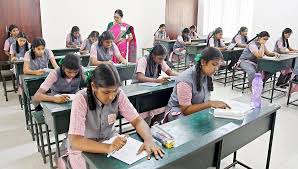
The Union Ministry of Education is intensifying efforts to achieve universal school participation by launching a nationwide drive to identify and enrol out-of-school and dropout children through the National Institute of Open Schooling (NIOS).
This initiative is a key strategy under the National Education Policy (NEP) 2020, which sets a clear target of 100% Gross Enrolment Ratio (GER) from pre-school to secondary level by 2030. Open schooling is being positioned as a practical, flexible alternative for children facing economic, social, or geographical barriers to regular schooling.
Key Highlights of the Initiative
- Objective: Achieve 100% GER from pre-school to secondary education by 2030.
- Focus: Bring back out-of-school children and dropouts, especially those aged 14-18 (with estimates targeting around two crore such children in this age group).
- Lead Agency: Department of School Education and Literacy (DoSEL), Ministry of Education.
- Platform: Expansion and strengthening of NIOS, described as the world’s largest open school board.
- New Programme: Introduction of “NIOS Mitra” – trained facilitators who will identify children, counsel families, and provide enrolment and academic support, with special focus on marginalised and disadvantaged groups.
The drive aims to leverage open schooling’s flexibility to bridge existing gaps in the traditional education system.
Why NIOS? Features That Make Open Schooling Effective
NIOS offers several learner-friendly provisions that make it ideal for dropouts and working or disadvantaged children:
- Flexible admission schedules (no rigid academic year restrictions).
- Multiple opportunities to clear exams, including the On-Demand Examination System.
- Vocational courses linked directly to employability and skill development.
- Certification recognised at par with other national and state boards.
- Over 10,800 study and examination centres across the country.
These features allow students to learn at their own pace while balancing family responsibilities, work, or other constraints. NIOS currently serves around 27 lakh active learners and has seen over 41 lakh enrolments in the past five years.
Implementation Strategy
The government plans to significantly expand NIOS outreach by:
- Using existing infrastructure such as PM SHRI schools, Kendriya Vidyalayas, Navodaya Vidyalayas, and government senior secondary schools as NIOS study centres.
- Launching a pan-India identification and enrolment campaign.
- Training and deploying NIOS Mitra facilitators for grassroots-level support.
- Promoting awareness among families about open schooling as a credible pathway to complete secondary education.
This collaborative approach between central and state governments, along with local bodies, aims to make enrolment seamless and inclusive.
Alignment with NEP 2020 and Broader Impact
NEP 2020 emphasises equitable and inclusive education, aiming to bring every child into the learning fold. The push for open schooling directly supports this vision by addressing high dropout rates, particularly in secondary stages, and promoting lifelong learning opportunities.
Expected Benefits:
- Higher retention and completion rates among vulnerable groups.
- Improved skill development and employability through vocational integration.
- Reduction in education inequality across rural, urban, and remote areas.
- Contribution to India’s overall human capital development goals.
While the initiative is promising, some reports have also highlighted the need to address NIOS’s financial and operational aspects to ensure effective scaling.